 Free shipping on orders over £50. Shop now!
 4.3★ from 3K+ clients who love our products
 Delivery in 2-4 working days
 Free returns within 100 days
Car Seat Rules for Rear and Forward-Facing Travel
Ensuring your child is happy, comfortable, and—most importantly—safe when traveling in a car is a top priority for every parent. Understanding the laws and best practices for rear- and forward-facing car seats is essential. Here's everything you need to know.

Forward-Facing Car Seat Age
Many parents ask when they can transition their child to a forward-facing car seat. However, the answer isn’t as straightforward as it seems.
- Experts strongly recommend keeping children rear-facing for as long as possible, as this provides the best protection in a crash. "As long as possible" depends on factors such as the child’s height, weight, and the limits of their rear-facing seat. Many extended rear-facing (ERF) seats accommodate children up to 105 cm (around four years old).
- Legal Requirement (R129/i-Size): Children must remain in a rear-facing seat until they are at least 15 months old and 76 cm tall, regardless of weight.
- Safety Recommendation: Experts recommend keeping children rear-facing at least up to 2 years old,—ideally until four years old (105 cm) for maximum protection.
- Older R44 Seats – Many allow forward-facing from 9 kg (~6-9 months), but this is unsafe. Parents should keep children rear-facing until the seat’s maximum rear-facing limit (check instruction label & manual).
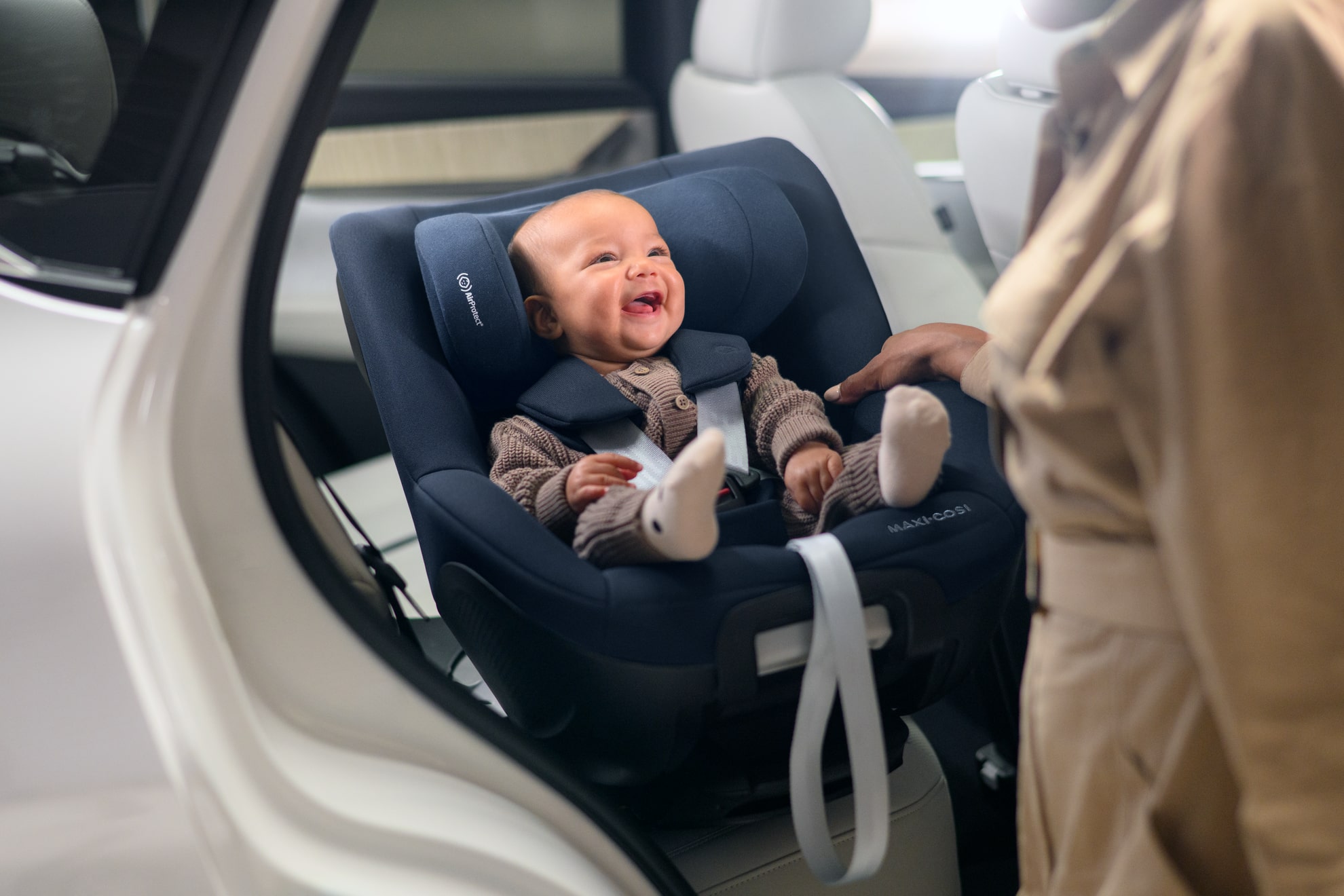
Why Is Rear-Facing Travel Safer?
In case of a head-on collision, a forward-facing child is thrown forward, putting extreme stress on their head and neck. This can lead to serious injury since young children’s bones and muscles are still developing.
A rear-facing seat, however:
- Distributes impact forces evenly across the child’s back , neck and head
- Provides better support for the head and neck, as in a crash, the torso, neck, and head move together in alignment. In contrast, forward-facing travel causes the head to be thrown forward while the body remains restrained, putting significant strain on the neck
- Reduces the risk of serious injury in frontal collisions, which account for 50% of accidents
Because of these safety benefits, experts encourage parents to keep children in rear-facing seats as long as possible.
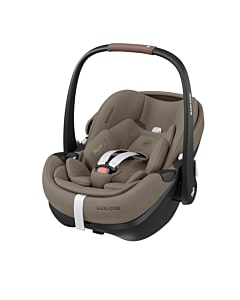
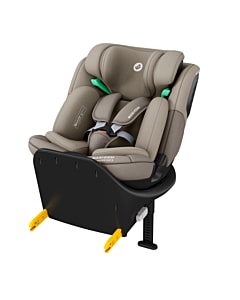
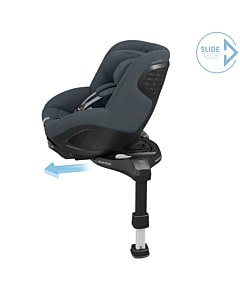
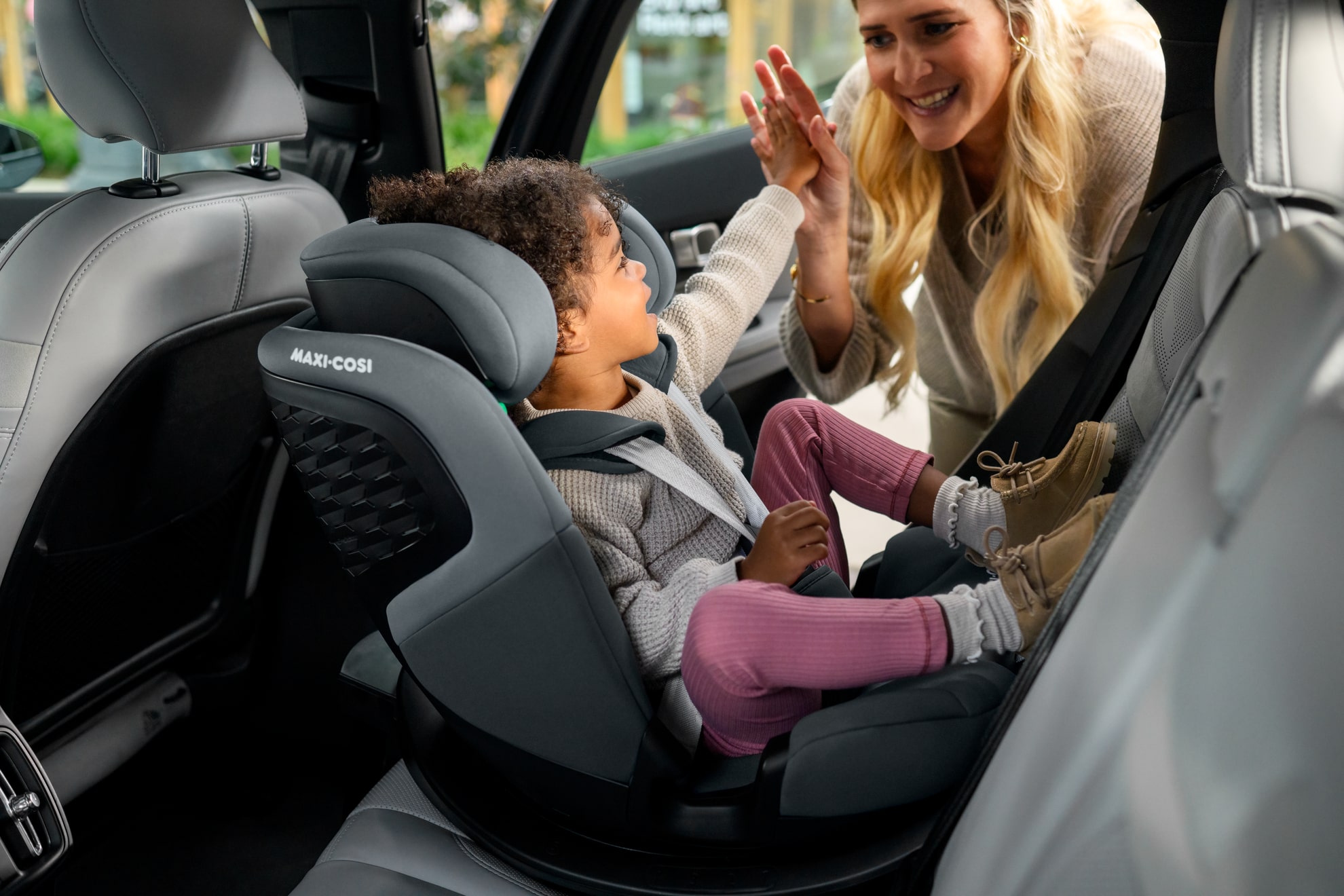
How Long Should My Child Travel Rear-Facing?
R129 and i-Size regulations require children to travel rear-facing until they are at least 15 months old. However, many experts recommend keeping them rear-facing for longer, as it provides better protection for their developing head, neck, and spine.
Your baby’s growth and strength improve each month, but their bones and muscles are still developing. For this reason, at Maxi-Cosi we advise at least up to 2 years old, some safety experts stress that it is even better to reach 4 years old before switching to a forward-facing seat.
Fortunately, Maxi-Cosi offers i-Size car seats that allow rear-facing travel up to 105 cm in height (approximately four years old). This gives parents the flexibility to prioritize safety while accommodating their child’s growth.
Choosing the Right Car Seat
At Maxi-Cosi, we have a reputation for helping new parents with our trusted, innovative designs. From our first ground-breaking, rear-facing car seat launched in 1984, we've listened to your specific needs to develop our range continually. The result is a choice of car seats to match your lifestyle, providing the highest level of protection combined with maximum ease for families. Our latest rotating car seats, like Mica 360 pro, offer even more flexibility and convenience, putting you in control of the direction the car seat faces.