 Free shipping on orders over £50. Shop now!
 4.3★ from 3K+ clients who love our products
 Delivery in 2-4 working days
 Free returns within 100 days

Night Feeding Made Easier: Routines, Tools & Time-Saving Tips
It probably won’t come as news to you that night feeds are hard. A mix of broken sleep, the fumbling in the dark, the mental load of getting everything right while half awake... it all adds up. This guide won't promise to make your baby sleep through, but it can help you make the feeds themselves calmer, quicker and a little less draining.
We'll look at why babies wake, how to set up for smoother night feeds, feeding responsively after dark, and sharing the load so it doesn't all fall on one person.
Why babies wake and feed at night
Waking at night is normal, so frequent waking isn't automatically a problem to fix. Babies stir and feed overnight for all sorts of ordinary reasons: genuine hunger, their natural sleep cycles, growth spurts, developmental leaps, teething, or simply being a bit uncomfortable or under the weather.
How often this happens varies enormously from baby to baby and changes as they grow. So rather than measuring your baby against anyone else's, it usually helps to work with their patterns as they are right now.
Set up a calm night-feeding station
The calmer the setup, the less a night feed jolts everyone awake. A few things that help:
- Soft, low lighting rather than bright overhead lights, so you both stay drowsy
- As little noise as possible
- A comfortable chair with support for your back and arms
- Clean, ready equipment within easy reach
Keep your feeding essentials organised nearby, while keeping your baby’s sleep space clear and set up according to safe-sleep guidance. The aim is simply to have what you need within easy reach, so you don’t have to go wandering around the house at 3am.
Get everything ready before bedtime
A little preparation in the evening pays off enormously overnight. Before you turn in:
- Have clean or sterilised bottles ready to go
- Measure out what you safely can in advance, where your local guidance allows it
- Set up your feeding station so you can easily find things in the dark
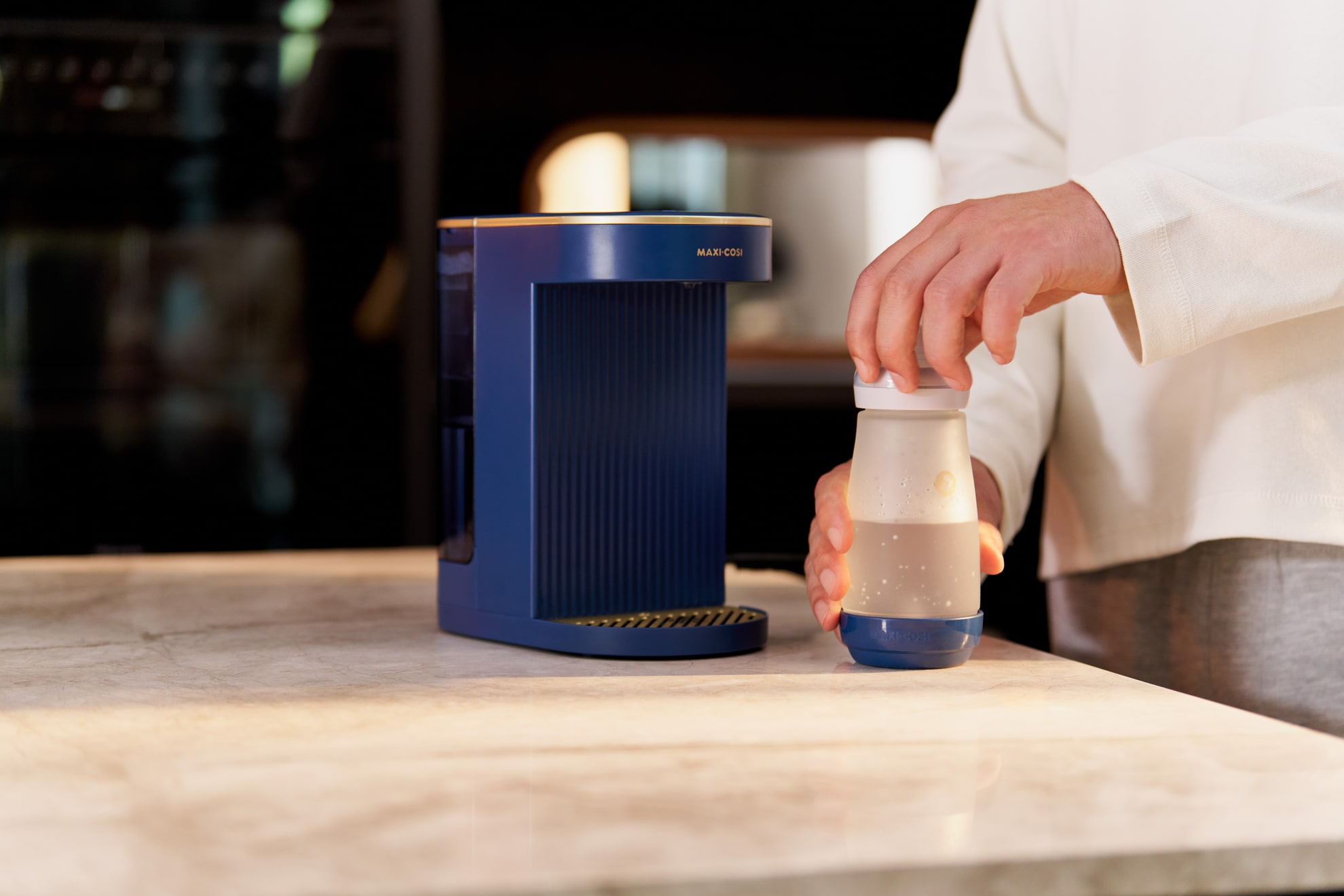
This is also where a baby bottle maker such as the Maxi-Cosi Instant Water Warmer can make night feeds easier.
The Instant Water Warmer heats and dispenses the water for you, while you stay in control of adding and mixing the formula according to your usual preparation routine. This gives you a useful balance of speed, convenience and control, especially during night feeds.
Use responsive feeding cues at night
Even at night, it's your baby's cues that guide the feed, not the clock or a target amount of milk. Watch for their usual hunger, pause and fullness signals and feed to those, just as you would in the day.
It's tempting to try to get a bigger feed in overnight in the hope of a longer stretch of sleep, but a larger bottle doesn't guarantee a longer gap, and pushing a feed past fullness tends to backfire. Feeding your baby the amount they actually want is usually more settling.
Share the workload where possible
Night feeds are far more sustainable when they're not one person's job alone. Where you can:
- Take turns with a partner or another caregiver, so everyone gets some unbroken sleep
- Split the tasks: one person can hold, soothe or settle the baby while the other prepares the bottle. A baby bottle maker such as the Maxi-Cosi Instant Water Warmer can help make that part of the routine faster and more straightforward, especially during night feeds.
- Prepare the environment together in the evening so the overnight shift is lighter
Frequently asked questions
When to stop waking baby to feed overnight?
This depends on your baby's age, weight, growth and health, so it isn't something to decide by a general rule. Many babies who are gaining weight healthily and thriving reach a point where waking them overnight is no longer needed, but the timing is individual and best confirmed with your health visitor or GP before you change anything.
Will a bigger bottle help a baby sleep longer?
Not reliably. A larger feed doesn't guarantee a longer sleep, and offering more than your baby wants can leave them uncomfortable rather than settled. Feeding to their fullness cues is the better guide, whatever time of night it is.
Can formula be prepared before bed?
Only within your local public-health guidance, which sets out whether feeds can be made ahead, how they must be stored and how quickly they should be used. Where making a fresh feed is recommended, tools that speed up preparation can help you do that more easily overnight. Check the current advice for your area.