 Free shipping on orders over £50. Shop now!
 4.3★ from 3K+ clients who love our products
 Delivery in 2-4 working days
 Free returns within 100 days

Glass vs Plastic Baby Bottles: Safety, Materials & What Parents Should Know
Standing in the baby aisle, glass in one hand and plastic in the other, it's easy to feel a bit overwhelmed or confused by which choice to make. The good news is there's no single right answer here. Glass and plastic baby bottles each have genuine strengths, and the answer usually comes down to how they suit your baby, your routine and your day-to-day life.
This guide compares the two, with a focus on what actually shapes the decision: correct use, care, durability and how each one fits into the unique rhythm of your household.
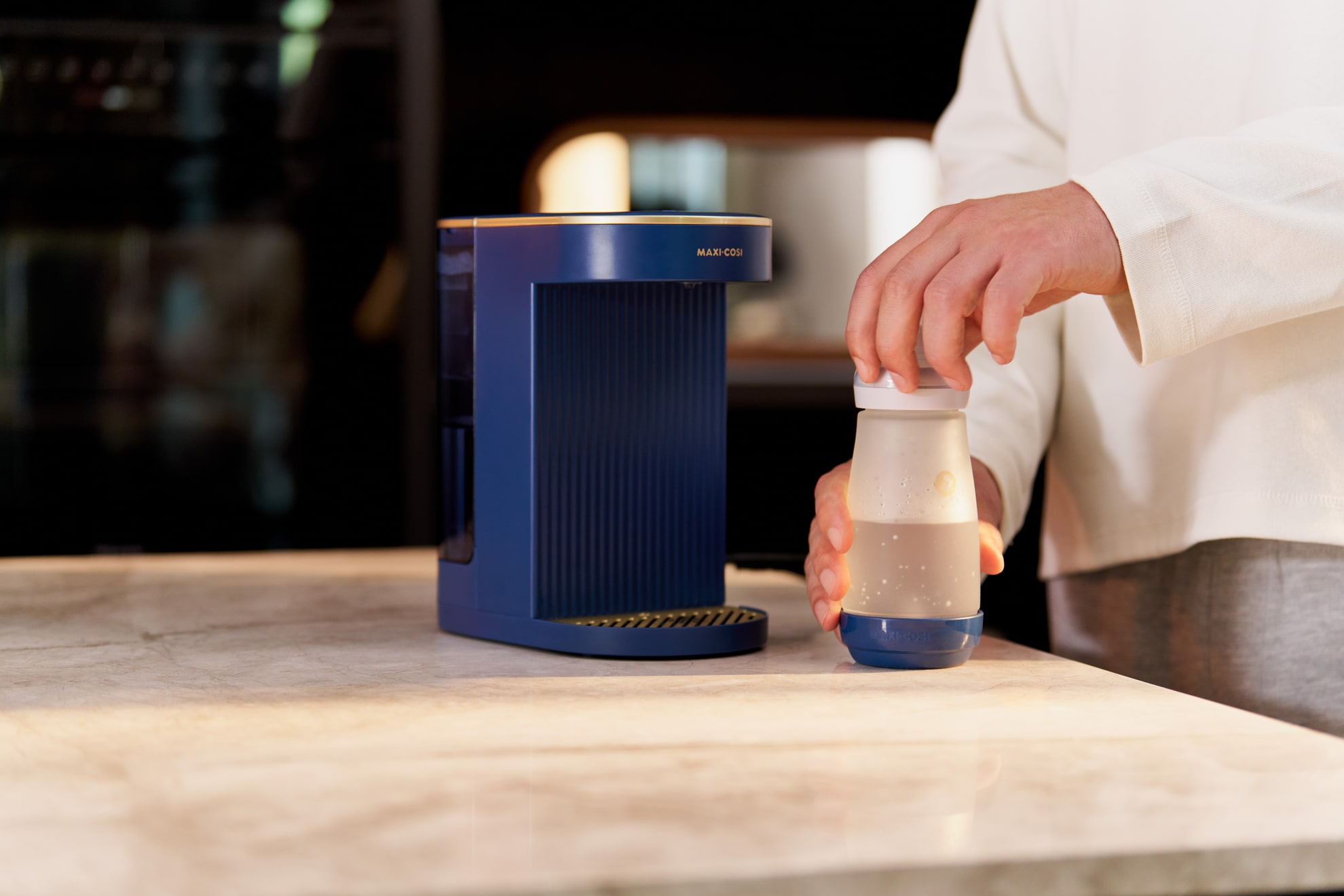
What glass baby bottles offer
Glass baby bottles have a naturally non-porous surface, which is their headline benefit. Nothing soaks in, so they don't hold onto smells or flavours from one feed to the next, and they tend to stay looking clear and clean over time. That clarity has a practical upside too: it's easy to see exactly how much milk is left and to give the bottle a proper visual check for any residue.
There are trade-offs to weigh, though. Glass is heavier in the hand, which is worth thinking about for longer feeds or once your baby starts to hold their own bottle. And because glass can chip or crack if knocked or dropped, it's important to follow the manufacturer's guidance on safe use and to check regularly for any damage before a feed. A quick once-over becomes second nature soon enough.
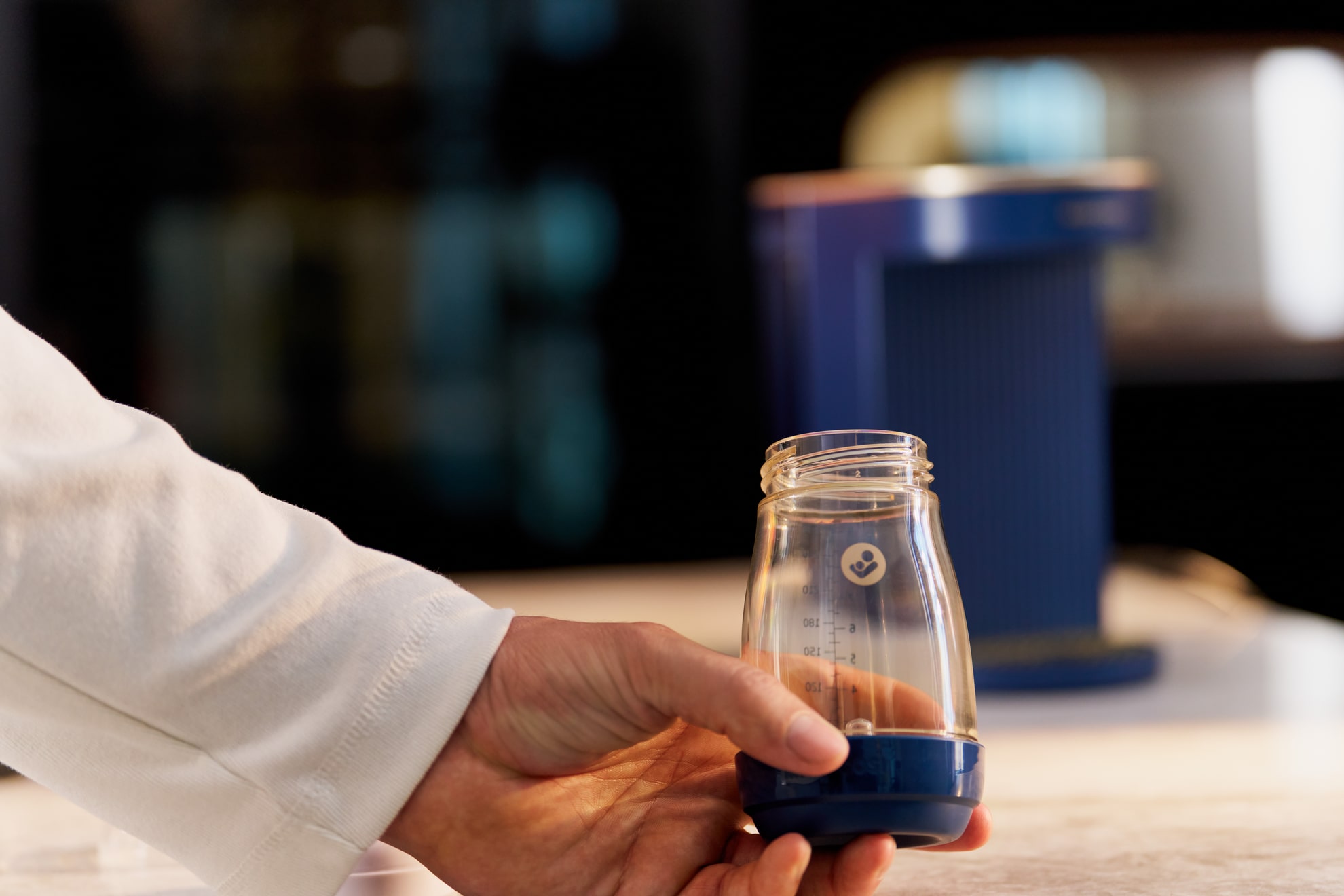
What to consider with plastic baby bottles
The first thing to know is that "plastic" isn't one single thing. Baby bottles described as plastic can be made from several different materials, each with its own properties, so it's worth looking a little closer rather than treating them all the same.
In general, plastic bottles are lighter and easier to handle, which many parents appreciate during night feeds or on the go, and they stand up well to the odd drop without breaking. Where they differ is in things like heat resistance and how they hold up to repeated sterilising over months of daily use... something that often comes down to the specific material.
When you're choosing one, it pays to check what it's actually made from. Look for bottles that clearly state their material, are intended for infant feeding, and comply with the relevant food-contact regulations. A bottle that's upfront about its material is usually a good sign in itself.
How to choose the right bottle for your family
Rather than asking which material is "better" in the abstract, it's more useful to picture your own routine. A few scenarios that tend to tip the balance one way or the other:
- If you're mostly feeding at home, weight matters less, and the easy-clean, stays-fresh qualities of glass can shine. If you travel often or feed out and about, the lighter weight and knockabout durability of plastic can make life simpler.
- For overnight feeds, when you're half asleep and one-handed, a lighter bottle you're not worried about dropping has obvious appeal.
- Think about who holds the bottle. A small baby holding their own bottle may find a lighter one easier to manage.
- Consider your cleaning routine and how each material fits the way you sterilise.
Maxi-Cosi offers both PPSU and Glass baby bottles, giving parents two premium material options for different routines. The PPSU Baby Bottle is lightweight, shatter-resistant and designed to withstand repeated sterilisation, making it a practical choice for everyday use. The Glass Baby Bottle combines premium glass with a soft silicone wrap for a secure, comfortable grip and a smooth feeding experience.
Frequently asked questions
Are glass baby bottles safer?
Both glass and plastic bottles made for infant feeding are designed to be safe when used and cared for as intended. Glass appeals to parents who like its non-porous surface and easy inspection, while quality plastic bottles that meet food-contact standards are also a safe choice. It's less about one being safer overall and more about which suits your routine and is looked after properly.
When should a baby bottle be replaced?
Whatever the material, replace a bottle if you spot cracks, chips, cloudiness, scratches or any wear that won't clean away, and swap teats more often as they see the most use. Following the manufacturer's guidance on lifespan and regular checks is the simplest way to keep every feed safe.
How to avoid microplastics?
You can't remove exposure entirely, but you can reduce wear that contributes to it. Avoid harsh scrubbing and abrasive cleaners, follow the recommended sterilising method rather than overheating, let bottles cool before filling, and replace any plastic bottle showing scratches or cloudiness. Some parents choose glass partly for this reason, though good care matters whichever material you pick.