 Free shipping on orders over £50. Shop now!
 4.3★ from 3K+ clients who love our products
 Delivery in 2-4 working days
 Free returns within 100 days
How to Choose a Cot Mattress That's Safe, Comfortable & Built to Last
Choosing a cot mattress might seem like one of the smaller decisions when you're preparing for your baby's arrival, but it plays an important role in creating a safe and comfortable sleep space. Whether your mattress comes with a bedside crib or travel cot, or you're choosing one for a cot, understanding what to look for can help you feel more confident.
In this cot bed mattress guide, we'll explain everything you need to know about choosing the right cot mattress size, ensuring the perfect fit, understanding firmness, materials and breathability, checking safety standards, and caring for your baby's mattress so it stays supportive over time.
Why Your Baby's Mattress Matters
During the newborn stage, babies spend many hours asleep, so the mattress they sleep on is an important part of their sleep environment. A good newborn mattress provides a firm, flat and supportive surface, helping your little one rest comfortably while following current safe sleep guidance.
When setting up your baby's sleep space, always follow the instructions provided with your mattress.
Start with the Right Cot Mattress Size
A mattress should always fit the sleep product it's designed for. Whether it's a cot, cot bed, bedside crib or travel cot, choosing the correct cot mattress size helps create a safe and supportive sleep space.
If you're buying a separate mattress for a cot or cot bed, always check the manufacturer's recommended dimensions before making your choice.
Many bedside cribs and travel cots include a mattress that's been specially designed to fit perfectly, giving you one less thing to think about as you prepare for your baby's arrival.
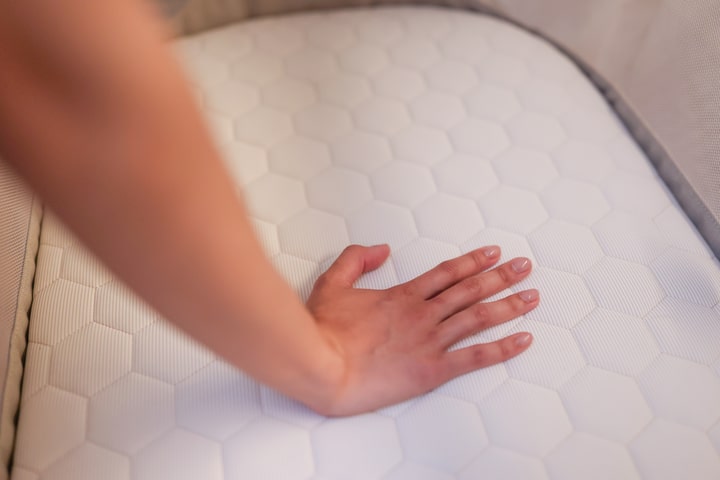
Choose a Firm, Flat and Supportive Newborn Cot Mattress
When it comes to your baby's mattress, firmer really is better than softer.
A newborn mattress should feel firm, hold its shape and provide a flat sleeping surface. If you gently press down on the mattress, it should spring back quickly rather than leaving a deep indentation.
While softer might sound more comfortable, babies need consistent support while they sleep. A firm mattress helps provide the stable sleep surface recommended for newborns.
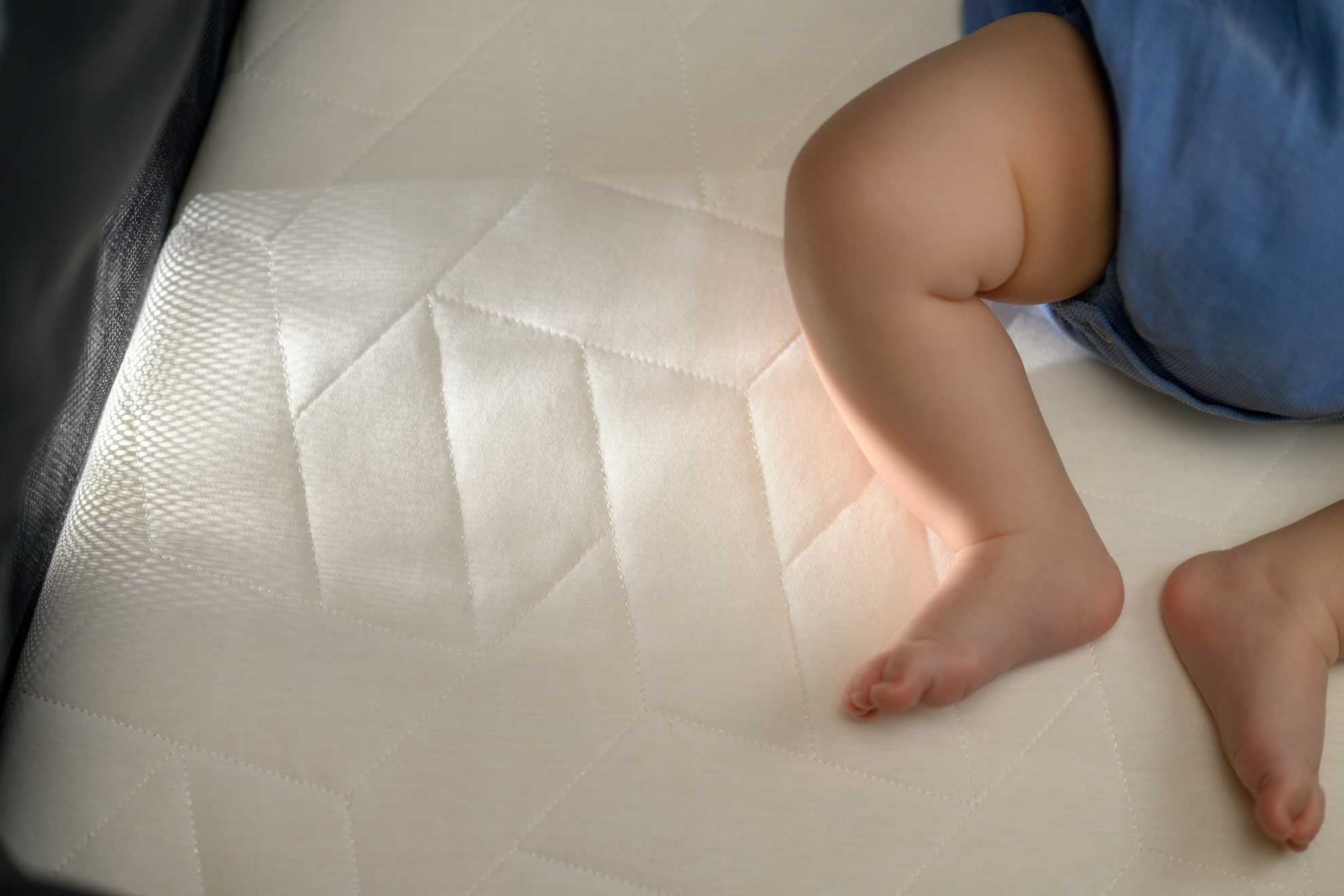
Understand the Main Mattress Types
If you're comparing baby sleep products, you may notice they come with different types of mattresses. While the materials vary, the same principles apply: a baby mattress should always be firm, flat, supportive and designed specifically for babies.
Here's a quick overview of the most common types.
Pocket Sprung Mattresses
Pocket sprung mattresses contain individual springs that move independently to provide responsive support. Their construction can also help encourage airflow throughout the mattress.
Natural Fibre Mattresses
Natural fibre mattresses are typically made with materials such as wool, coconut fibre or cotton. Depending on the materials used, they can offer breathable properties and are available in a variety of constructions.
Foam Mattresses
Foam mattresses are lightweight, supportive and practical for everyday family life. They're easy to lift when changing the sheets, and a well-designed foam mattress provides the firm, flat support babies need while using breathable materials to help promote airflow. Many also include removable, washable covers, making everyday care simple.
Look for Breathability and Washable Features
Many baby mattresses are designed with breathable materials to encourage airflow and help create a comfortable sleep environment. It's also worth looking for practical features that make caring for the mattress simpler, helping keep your baby's sleep space fresh day after day.
Helpful features include:
- A removable, machine-washable cover for easy cleaning.
- Breathable materials to help promote airflow.
- Spare fitted sheets so you're always prepared for unexpected changes.
Always choose fitted sheets designed for your mattress so they fit securely without affecting the mattress's support or comfort.
Check Safety Standards and Product Guidance
When choosing your baby's sleep setup, don't just look at the cot or bedside crib itself—it's worth checking the mattress too.
Whether the mattress is included with the sleep product or purchased separately, make sure it's designed specifically for babies and is suitable from birth, where needed. Always follow the manufacturer's instructions and avoid adding extra padding, loose bedding or non-approved accessories.
How to Care for a Baby Mattress so it Lasts
A little care goes a long way in helping your baby's mattress stay fresh, supportive and comfortable.
Here's a simple checklist:
- Wash removable covers according to the care instructions.
- Air the mattress before first use, if advised by the manufacturer.
- Rotate or turn the mattress only if the manufacturer recommends doing so.
- Clean spills as soon as possible and allow the mattress to dry fully.
- Replace the mattress if it becomes damaged, saggy, mouldy or no longer fits securely.
Looking after your mattress helps it continue providing the support your baby needs throughout everyday use.
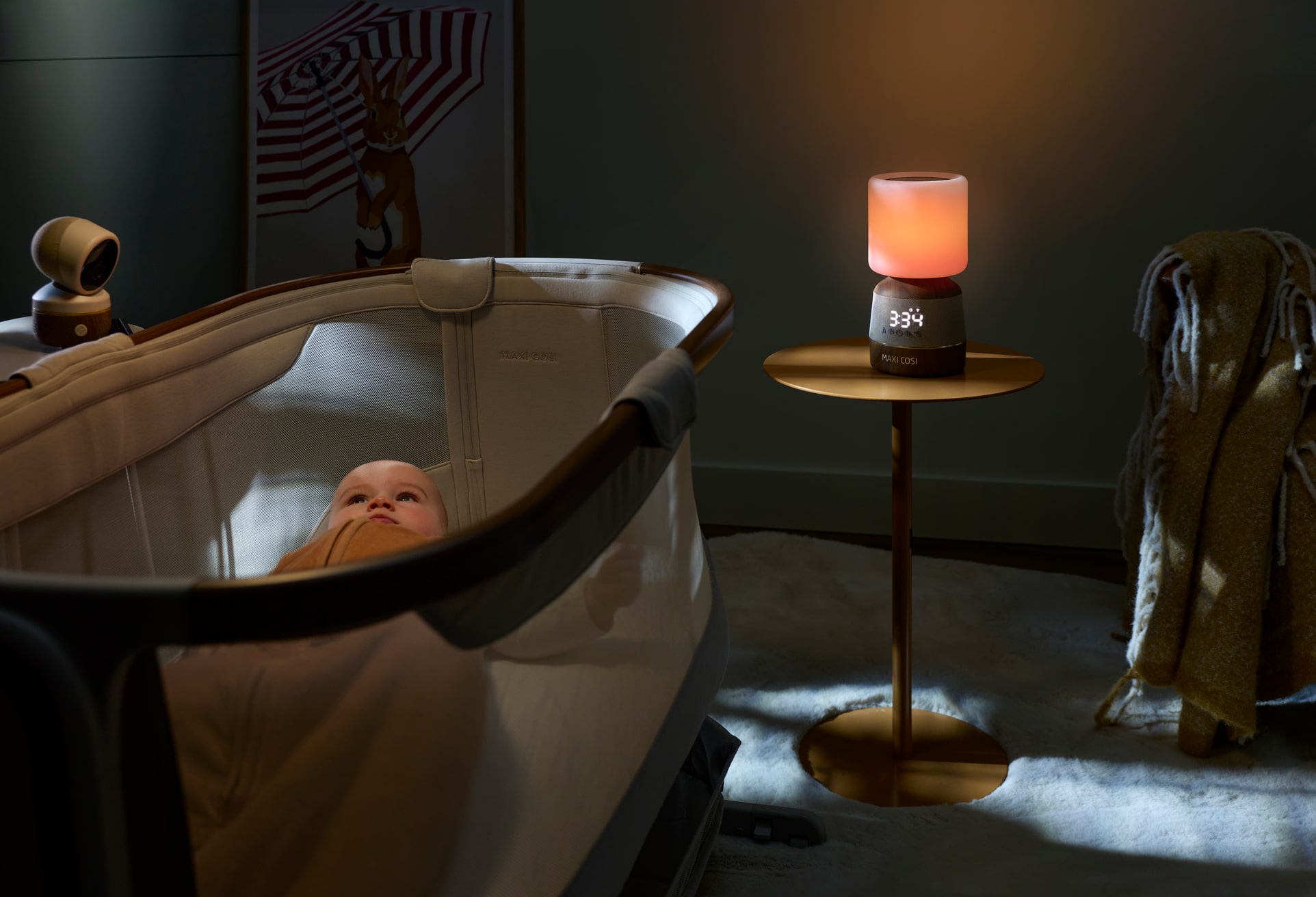
Building a Complete Safe Sleep Setup
A comfortable mattress is just one part of creating a cosy sleep environment. It works together with a well-designed cot, bedside crib or travel cot to give your baby a supportive place to rest.
That's why every Maxi-Cosi bedside crib and travel cot includes a mattress that's been designed to fit perfectly with the product, helping you create a safe and comfortable sleep space from day one.
Whether you're looking for a bedside crib like the Maxi-Cosi Iora Pro, a travel cot like the Maxi-Cosi Merlin, or fitted sheets and other sleep accessories to complete your setup, Maxi-Cosi offers thoughtfully designed sleep solutions to support your family's journey from the very first nights at home.