 Free shipping on orders over £50. Shop now!
 Delivery in 2-4 working days
 Free returns within 100 days
 4.3★ from 3K+ clients who love our products

Best Bottles for Breastfed Babies (And Why Babies Refuse Some Bottles)
Finding the best bottles for breastfed babies often comes down to how well the teat feel, flow, venting and handling suit your baby. Every baby feeds differently, so what works brilliantly for one may not suit another in quite the same way.
This guide looks at the features that can make bottle feeding feel more natural and comfortable when you’re combining breast and bottle feeds
Why bottle acceptance differs for breastfed babies
A baby taking or refusing a bottle usually comes down to a mix of things, and very little of it is about anything you've done. Acceptance can shift with feeding history and how familiar the bottle is, the timing of the feed, who's offering it, the flow, and simply how comfortable it feels in the moment.
If your baby refuses at first, it isn't a verdict on you or a sign something's wrong. It's genuinely common, it often takes a few gentle attempts, and most babies get there with a bit of patience.
What makes a bottle suitable for mixed feeding?
When you're feeding both at the breast and from a bottle, a few features matter more than others: teat softness and flexibility, shape, a flow your baby can manage, steady milk delivery, good venting, comfortable handling and easy cleaning. The next few sections break down the ones that most affect whether a baby takes to a bottle.

Teat softness, flexibility and shape
It's easy to assume shape is everything, but on its own it doesn't decide whether a baby accepts a teat. What tends to matter more is a soft, flexible teat that allows comfortable mouth and tongue movement while your baby feeds.
A well-designed teat can help make the transition between breast and bottle feel more comfortable.
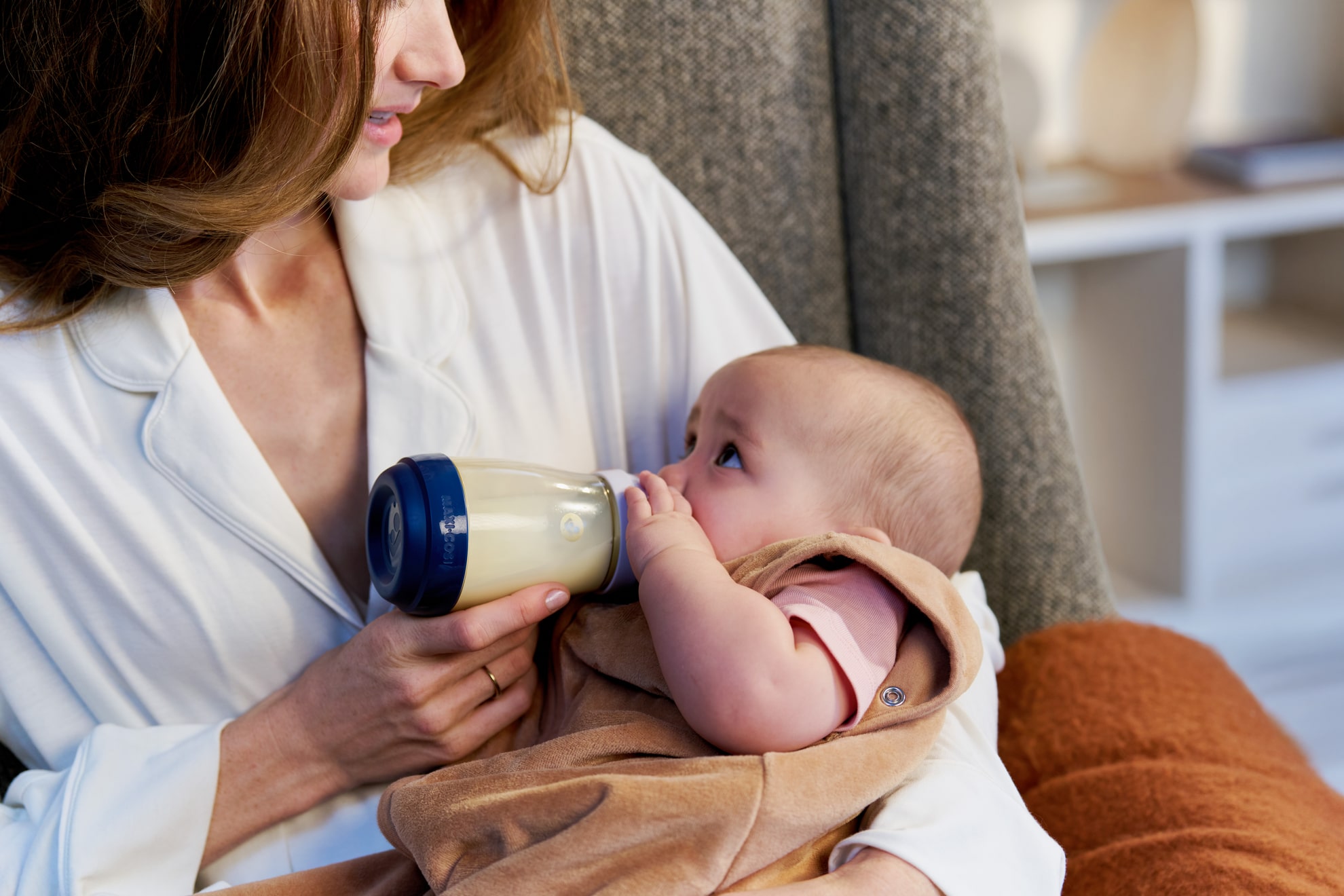
Choose a flow the baby can coordinate
Flow makes a big difference for breastfed babies in particular. Too slow, and your baby may tire or grow frustrated waiting for milk. Too fast, and they can struggle to keep up and manage the flow comfortably.
The right flow lets your baby coordinate sucking, swallowing and breathing without straining. Flow is usually matched to age and stage, and our Bottle Teat Sizes Explained guide covers the signs that a flow is too fast or too slow.
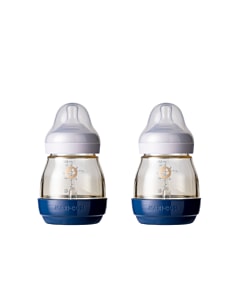
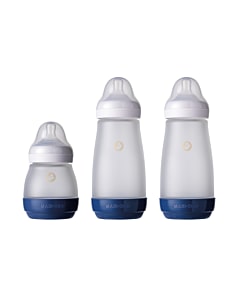
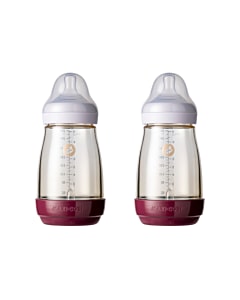
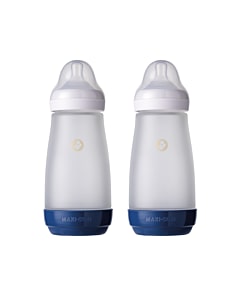
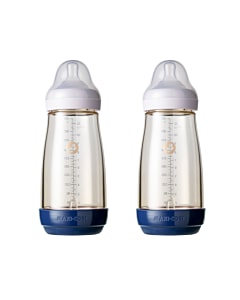
Browse the Maxi-Cosi Baby Bottles range in glass and PPSU to compare teats and flows.

Venting and feeding effort
A bottle that manages air well can make feeds less like hard work. By letting air into the bottle in a controlled way, a good venting system keeps a vacuum from building and the milk flowing steadily, so your baby isn't fighting the bottle for each mouthful.
Maxi-Cosi anti-colic bottles use the InnoVent valve at the base to do this, letting air in and keeping it above the milk rather than mixed into it. Steadier flow can mean less effort and fewer frustrated pauses, which tends to help at feed time. Our How Anti-Colic Bottles Work guide explains the mechanics in more detail.
For a broader look at what makes a good bottle, our What to Look for in a Baby Bottle checklist covers the full picture.
How to introduce a bottle without pressure
When looking for the best bottles for breastfed babies, the calmer the introduction, the better it usually goes. A few gentle principles:
- Offer the bottle when your baby is calm and showing early hunger cues, not already upset or ravenous
- Let them take the teat themselves rather than pushing it in
- Allow natural pauses through the feed
- Respect it when they turn away or stop, and try again another time rather than pressing on
There's no need to force the issue in a single sitting. If bottle refusal becomes a real sticking point, our guide Baby Won't Take a Bottle? runs through the common reasons and what tends to help.
Frequently asked questions
When should I introduce a bottle to a breastfed baby?
There's no single right moment, as it depends on your baby and your routine, so it's worth following current guidance and your own instincts on timing rather than a fixed rule. Introducing a bottle gently, when feeding is going well, often makes for a smoother start.
Does a wide teat guarantee acceptance?
No. Teat shape, wide or otherwise, doesn't decide acceptance on its own. Softness, flexibility and a suitable flow all play a part, and different babies simply prefer different things, so some trial and error is normal.
What if the baby takes a bottle only from one caregiver?
This is common and not a problem to fix so much as a phase to work with. Some babies feed more readily for a caregiver other than the breastfeeding parent, sometimes because the association with breastfeeding is less strong. Sharing feeds around and staying relaxed about it usually helps.