 Free shipping on orders over £50. Shop now!
 Delivery in 2-4 working days
 Free returns within 100 days
 4.3★ from 3K+ clients who love our products

Baby Won't Take a Bottle?
5 Reasons and How to Fix It
If your baby keeps turning the bottle away, take heart: bottle refusal is really common, and it doesn't mean your baby is being stubborn or that you've got something wrong. It's one of those parenting puzzles with several possible causes, and the way through is usually to work calmly through them, one at a time, rather than changing everything at once.
This guide runs through five of the most common reasons a baby won’t take a bottle, with a simple, low-pressure adjustment to try for each. If you’re wondering how to get baby to take a bottle, these small changes can help you work out what might be getting in the way.
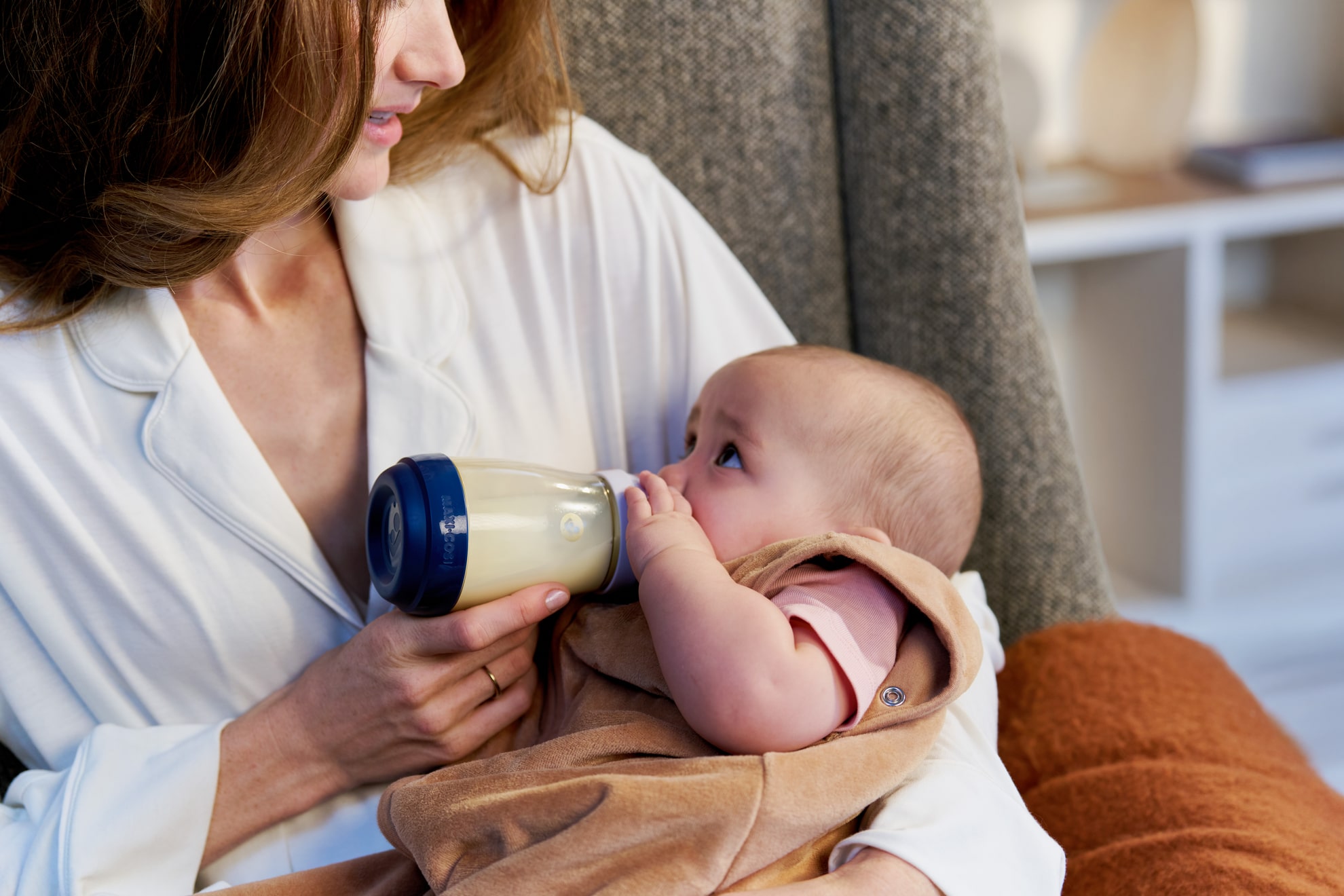
Reason 1: The flow is too slow or too fast
Flow is one of the most common culprits, and it works both ways. A flow that's too slow can leave your baby frustrated or tired, working hard for not much milk. A flow that's too fast can lead to gulping, milk leaking from the mouth, pulling away or getting upset.
Try matching the teat flow more closely to your baby’s stage, and watch how they respond. Maxi-Cosi anti-colic bottles are compatible with a range of teat sizes, from slow flow from birth through to faster flows for older babies, so you can adapt the bottle as your baby’s feeding needs change. Our Bottle Teat Sizes Explained guide covers the specific signs that a flow is too fast or too slow.

Reason 2: The timing isn't right
When you offer the bottle can matter just as much as how you offer it. A baby who's already crying, overtired or completely uninterested in feeding is a tough audience for something new.
Try offering the bottle when your baby is calm and showing early hunger cues, before they get properly hungry and upset. That window, alert but not distressed, tends to be when a baby is most willing to give a bottle a go.

Reason 3: The caregiver, position or environment feels different
Babies notice change, and sometimes refusal is less about the bottle and more about everything around it. The person offering it, the position they're held in, or how busy and stimulating the room is can all make a difference.
These are worth testing gently rather than treating as guaranteed fixes:
- Try a different feeding position, or one that feels closer to how your baby usually feeds
- Have another caregiver offer the bottle
- Move somewhere calmer and quieter, with less going on
Change one thing at a time so you can see what helps.

Reason 4: The baby is uncomfortable
Sometimes refusal is your baby telling you something else is going on. Teething, a cold or other illness, or general discomfort can all put a baby off feeding for a while.
If the refusal is a one-off during an obviously grumpy day, it may simply pass. But if it's persistent, or comes alongside symptoms that worry you, such as signs of illness, feeding much less than usual or seeming unwell, trust your instinct and speak to your health visitor or GP. Feeding refusal that doesn't settle is always worth a professional opinion.
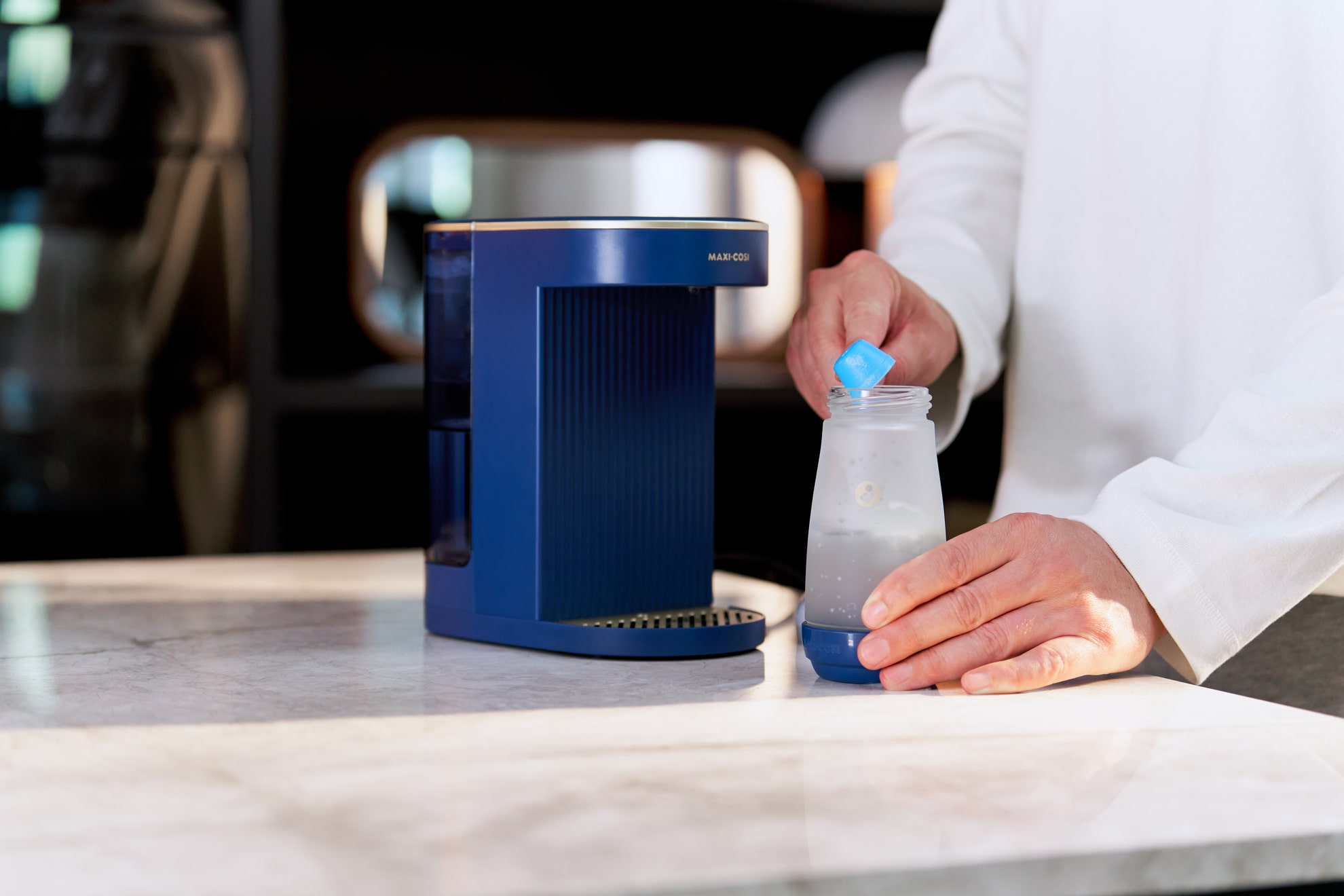
Reason 5: The milk or serving temperature is unfamiliar
Babies can have preferences about how their milk is served, including its temperature, and something that feels unfamiliar may get a lukewarm reception. You can experiment a little here, but always keep any changes within safe preparation and storage guidance.
How to make changes without overwhelming the baby
The golden rule with all of this is patience. Change one factor at a time, give it a few calm attempts, and see how your baby responds before trying something else. Changing everything at once tends to muddy the picture and unsettle your baby further.
It's also worth setting expectations honestly. Some parents search for how to get a baby to take a bottle quickly, and while that urgency is completely understandable, there's no guaranteed instant fix. Bottle acceptance is usually a matter of gentle, repeated tries over days rather than a switch you can flip in one sitting. Staying relaxed genuinely helps, since babies pick up on tension, and pressure rarely makes a reluctant feeder more willing.
If your baby is breastfed and new to bottles, a little extra patience is normal as they get used to something different. Our How to Bottle Feed a Baby the Right Way guide covers calm, responsive technique that can help.
Frequently asked questions
How long can bottle acceptance take?
There's no set timeline, as it varies enormously from baby to baby. For some it's a few days of gentle attempts, for others longer. Consistency and calm tend to matter more than speed, so try to see it as a gradual process rather than a race.
Should another caregiver offer the bottle?
It can be worth a try. Some babies take a bottle more readily from someone other than the breastfeeding parent, sometimes because the association with breastfeeding is weaker. It won't work for every baby, but it's an easy variable to test.
Can teething cause bottle refusal?
Yes, it can. Sore gums may make feeding uncomfortable for a while, so a teething baby might feed less or refuse the bottle temporarily. This usually passes, but if refusal continues or you're concerned, it's worth checking in with your health visitor.
If you'd like to rule out the bottle itself, browse the Baby Bottles range to compare teats and flows, and remember that replacement teats are available separately if a worn or wrong-flow teat turns out to be the sticking point.